Hindenburg and Hitler - The Making of a Fuehrer (2015)
(0) based on 0 votes
This documentary chronicles the political career of World War I hero Paul von Hindenburg, Germany's chancellor from 1925 to 1934. It also explores Hindenburg's instrumental role in the political ascent of his one-time political foe, Adolf Hitler.
Movies like Hindenburg and Hitler - The Making of a Fuehrer
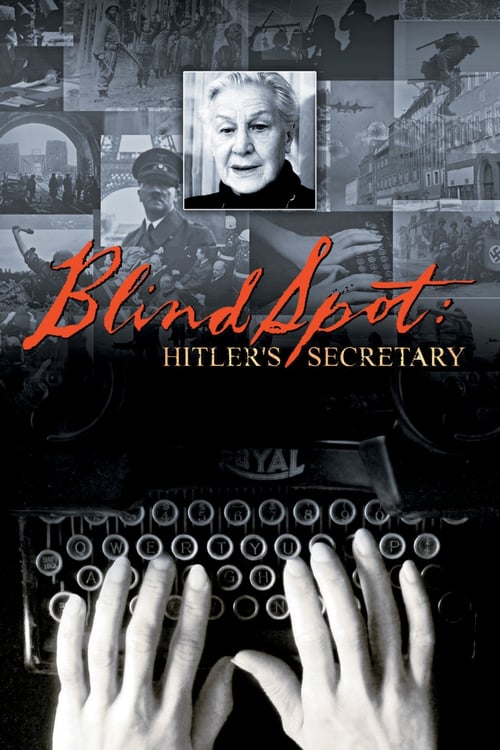
Blind Spot: Hitler's Secretary
Documentarians Andre Heller and Othmar Schmiderer turn their camera on 81-year-old Traudl Junge, who served as Adolf Hitler's secretary from 1942 to 1945, and allow her to speak about her experiences. Junge sheds light on life in the Third Reich and the days leading up to Hitler's death in the famed bunker, where Junge recorded Hitler's last will and testament. Her gripping account is nothing short of mesmerizing.
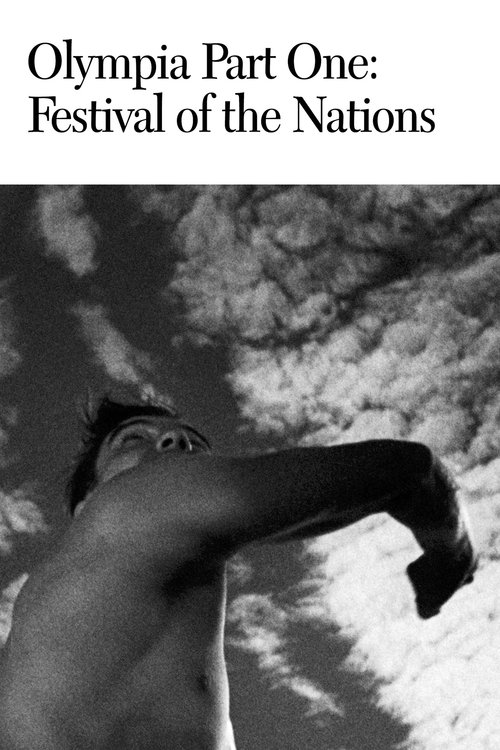
Starting with a long and lyrical overture, evoking the origins of the Olympic Games in ancient Greece, Riefenstahl covers twenty-one athletic events in the first half of this two-part love letter to the human body and spirit, culminating with the marathon, where Jesse Owens became the first track and field athlete to win four gold medals in a single Olympics.
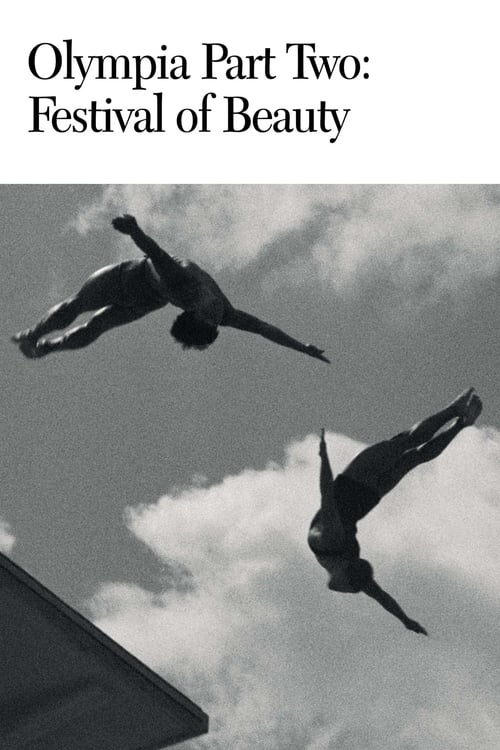
Part two of Leni Riefenstahl's monumental examination of the 1938 Olympic Games, the cameras leave the main stadium and venture into the many halls and fields deployed for such sports as fencing, polo, cycling, and the modern pentathlon, which was won by American Glenn Morris.
THE ARYANS is Mo Asumang's personal journey into the madness of racism during which she meets German neo-Nazis, the US leading racist, the notorious Tom Metzger and Ku Klux Klan members in the alarming twilight of the Midwest. In The ARYANS Mo questions the completely wrong interpretation of "Aryanism" - a phenomenon of the tall, blond and blue-eyed master race.
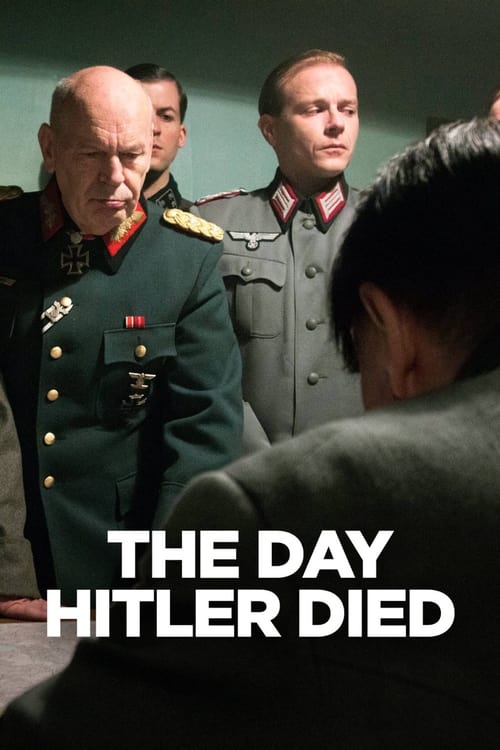
The story of Hitler’s final hours told by people who were there. This special features exclusive forgotten interviews, believed lost for 65 years, with members of Hitler’s inner circle who were trapped with him in his bunker as the Russians fought to take Berlin. These unique interviews from figures such as the leader of the Hitler Youth Artur Axmann and Hitler’s secretary Traudl Junge, have never before been seen outside Germany. Using rarely seen archive footage and dramatic reconstruction, this special tells the story of Adolf Hitler’s final days in his Berlin bunker.
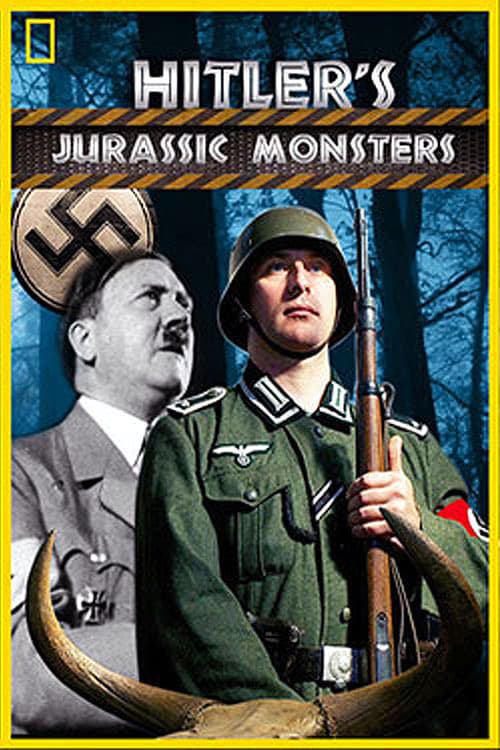
This is the untold story of a Nazi vision, that went far beyond the military conquest of European countries. As part of their crazed dream to create a thousand-year Reich they developed detailed blueprints for Aryan settlements and vast hunting parks for ‘Aryan’ animals. Goering and Himmler employed Germany’s best scientists to launch a hugely ambitious programme of genetic manipulation to change the course of nature itself, both in the wild and for domestic use. In a fascinating blend of politics and biology, Hitler's Jurassic Monsters is the true and asthonishing story of how the Nazis tried to take control of nature and change the course of evolution.
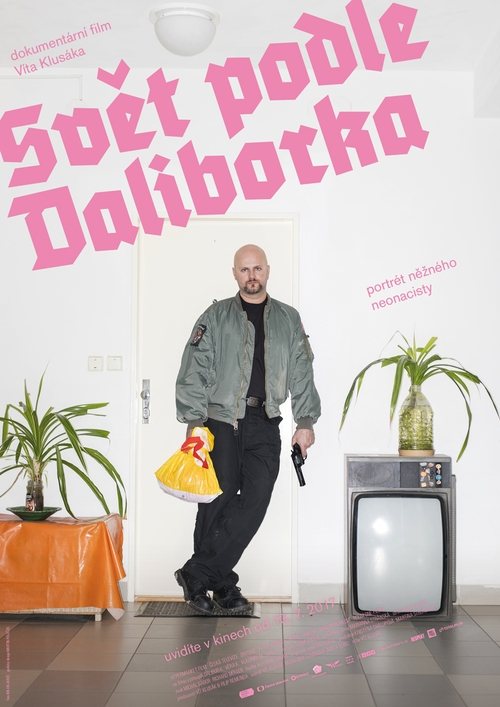
Dalibor K. is an industrial painter, amateur horror maker, the composer of angry songs, painter and a radical neo-Nazi. He is approaching 40, but he is still living with his mother Vera, Aged 63, and is yet to experience the real relationship with a woman. He hates his job, gypsies, Jews, refugees, homosexuals, Merkel, spiders and dentists. He hates his life, but he doesn’t know how to change it.
A documentary examining possible historical and modern conspiracies surrounding Christianity, the 9/11 terrorist attacks, and the Federal Reserve bank.
In February 1939, more than 20,000 Americans filled Madison Square Garden for an event billed as a “Pro-American Rally.” Images of George Washington hung next to swastikas and speakers railed against the “Jewish controlled media” and called for a return to a racially “pure” America. The keynote speaker was Fritz Kuhn, head of the German American Bund. Nazi Town, USA tells the largely unknown story of the Bund, which had scores of chapters in suburbs and big cities across the country and represented what many believe was a real threat of fascist subversion in the United States. The Bund held joint rallies with the Ku Klux Klan and ran dozens of summer camps for children centered around Nazi ideology and imagery. Its melding of patriotic values with virulent anti-Semitism raised thorny issues that we continue to wrestle with today.
What would your family reminiscences about dad sound like if he had been an early supporter of Hitler’s, a leader of the notorious SA and the Third Reich’s minister in charge of Slovakia, including its Final Solution? Executed as a war criminal in 1947, Hanns Ludin left behind a grieving widow and six young children, the youngest of whom became a filmmaker. It's a fascinating, maddening, sometimes even humorous look at what the director calls "a typical German story." (Film Forum)
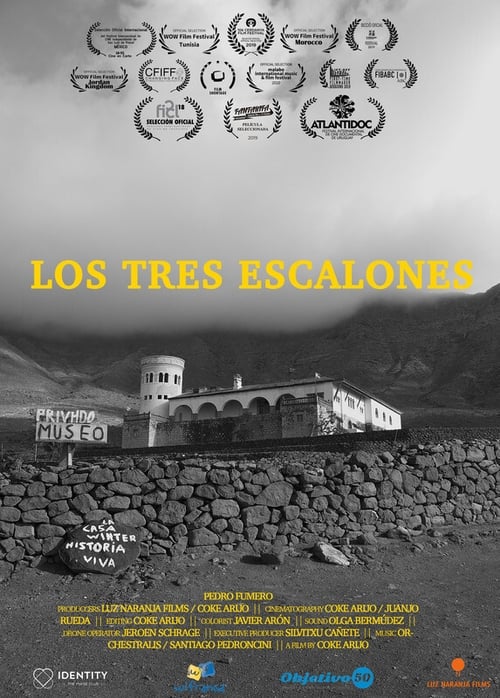
Pedro lives in Cofete, an isolated beach of Fuerteventura. He abandoned his lifestyle to find out the obscure history of his family’s old house. “The three steps” tells a story of a man who decides not to give up and struggle against the elements.
In Third Reich, the abuse of drugs made commanders and soldiers feel invincible. The Führer himself took them on daily basis. This is the unbelievable story of the D-IX project and of methamphetamines, which, abundantly furnished to soldiers, changed the course of history.
The secret Nazi death camp at Sobibor was created solely for the mass extermination of Jews. But on the 14th October 1943, in one of the biggest and most successful prison revolts of WWII, the inmates fought back.
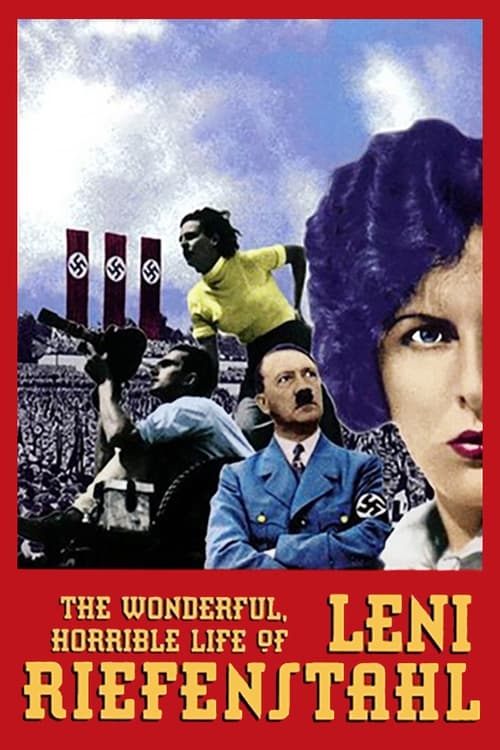
This documentary recounts the life and work of one of most famous, and yet reviled, German film directors in history, Leni Riefenstahl. The film recounts the rise of her career from a dancer, to a movie actor to the most important film director in Nazi Germany who directed such famous propaganda films as Triumph of the Will and Olympiad. The film also explores her later activities after Nazi Germany's defeat in 1945 and her disgrace for being so associated with it which includes her amazingly active life over the age of 90.
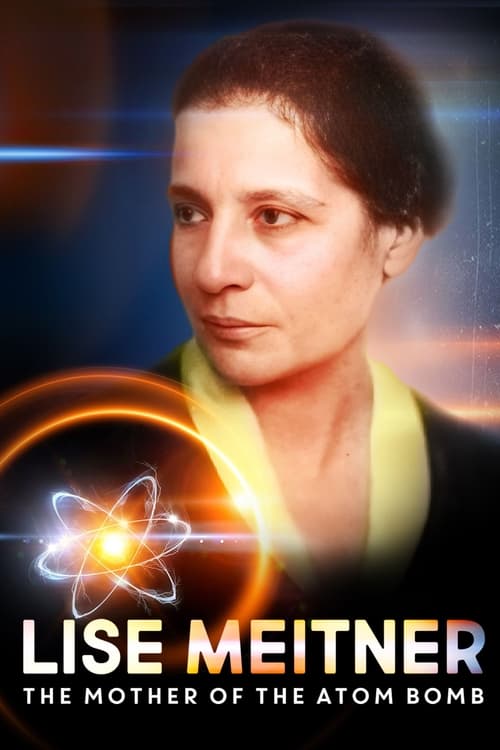
To historians, physicist Lise Meitner deserves to be placed on a par with Einstein, Heisenberg and Otto Hahn. In the 1930s on the verge of World War II, she led a small group of scientists who discovered that splitting the atomic nucleus of uranium releases enormous energy. This extraordinary film tells the story of a woman who was far ahead of her time as a scientist and a pioneer of feminism.
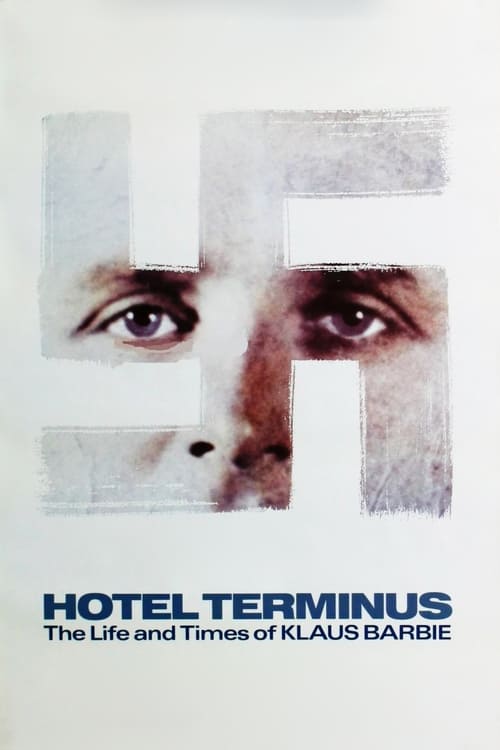
Hôtel Terminus: The Life and Times of Klaus Barbie
Marcel Ophuls' riveting film details the heinous legacy of the Gestapo head dubbed "The Butcher of Lyon." Responsible for over 4,000 deaths in occupied France during World War II, Barbie would escape—with U.S. help—to South America in 1951, where he lived until a global manhunt led to his 1983 arrest and subsequent trial.
During the worst days of World War II, the British government asks the mathematician Alan Turing to unravel the mysteries of the German Enigma encryption machine, an impossible task to accomplish without the invaluable information that Hans-Thilo Schmidt, a disenchanted but greedy German citizen, had been handing over to the French secret services since 1931.
Co-produced by the U.S. Holocaust Memorial Museum Research Institute, this Academy Award-winning documentary relates the harrowing story of Gerda Weissmann Klein and her journey of survival and remembering both before and after the war.
The Obersalzberg retreat was the summer residence and retreat of Adolf Hitler, Eva Braun and his closest confidants in the Nazi regime. The public are mainly familiar with fi lm footage and photographs from the alleged Nazi idyll. For the first time, eye witnesses are willing to talk about their experiences in Obersalzberg.
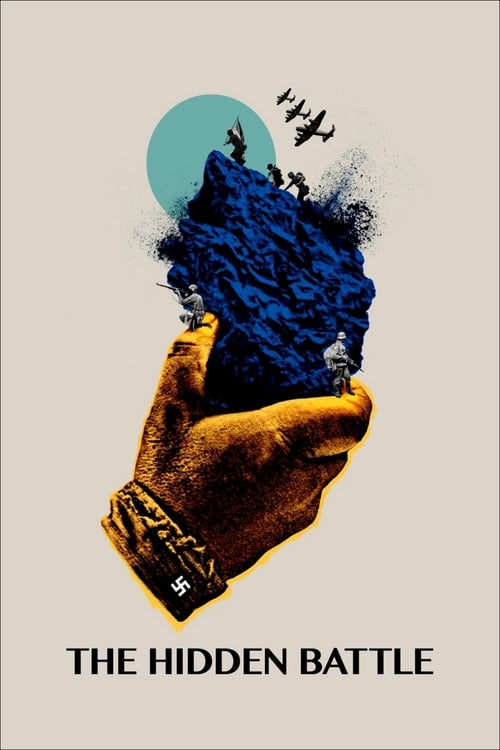
During the Second World War, the Allies threaten to attack Spain, an allegedly neutral country, if the Francoist regime keeps allowing Nazi Germany to extract Galician tungsten, a strategic mineral, paramount to the war effort.
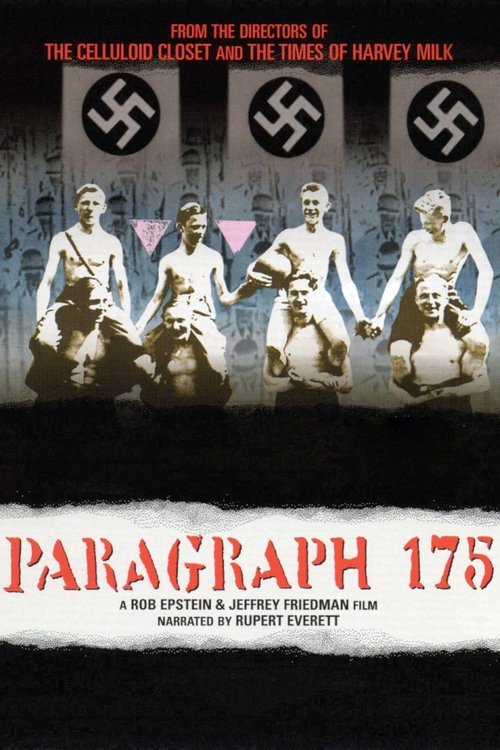
During the Nazi regime, there was widespread persecution of homosexual men, which started in 1871 with the Paragraph 175 of the German Penal Code. Thousands were murdered in concentration camps. This powerful and disturbing documentary, narrated by Rupert Everett, presents for the first time the largely untold testimonies of some of those who survived.
The Obersalzberg was an ordinary Bavarian mountain until Adolf Hitler discovered it in 1923. There at the Berghof, the Nazi leader spent his time surrounded by his most faithful lieutenants and his mistress, Eva Braun. Though mostly destroyed, remnants of the vast building complex still exist.
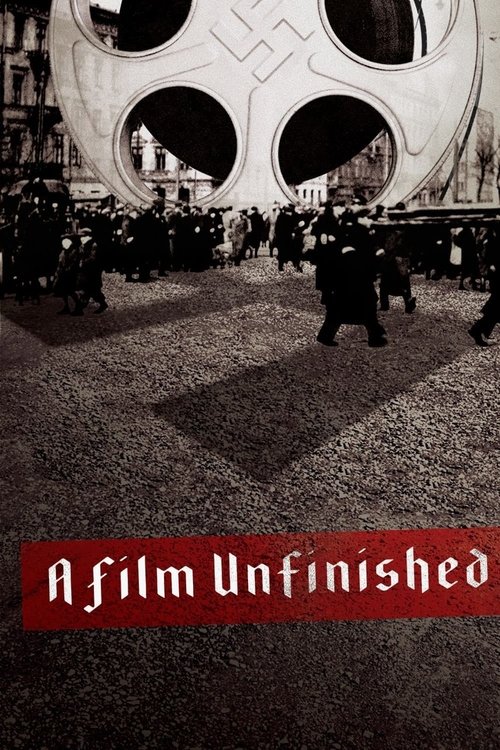
Yael Hersonski's powerful documentary achieves a remarkable feat through its penetrating look at another film-the now-infamous Nazi-produced film about the Warsaw Ghetto. Discovered after the war, the unfinished work, with no soundtrack, quickly became a resource for historians seeking an authentic record, despite its elaborate propagandistic construction. The later discovery of a long-missing reel complicated earlier readings, showing the manipulations of camera crews in these "everyday" scenes. Well-heeled Jews attending elegant dinners and theatricals (while callously stepping over the dead bodies of compatriots) now appeared as unwilling, but complicit, actors, alternately fearful and in denial of their looming fate.
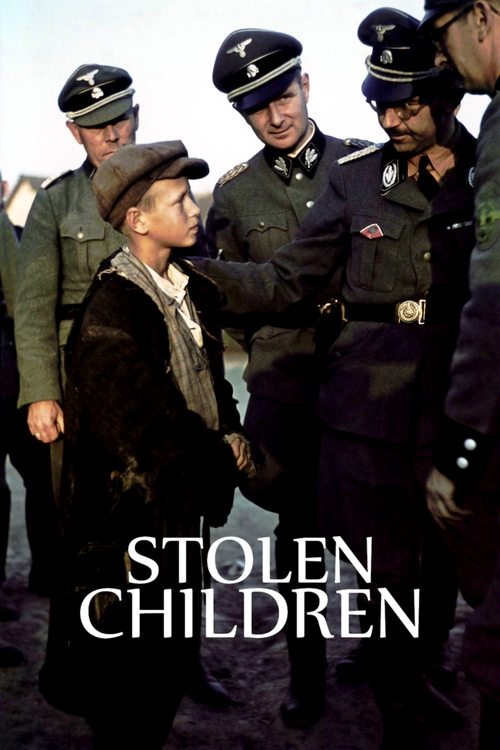
June 1941, during World War II. Reichsführer-SS Heinrich Himmler orders the mass abduction of particularly well-bred young children from Poland and the occupied territories of the Soviet Union in order to be educated in German culture, by both state schools and German families…
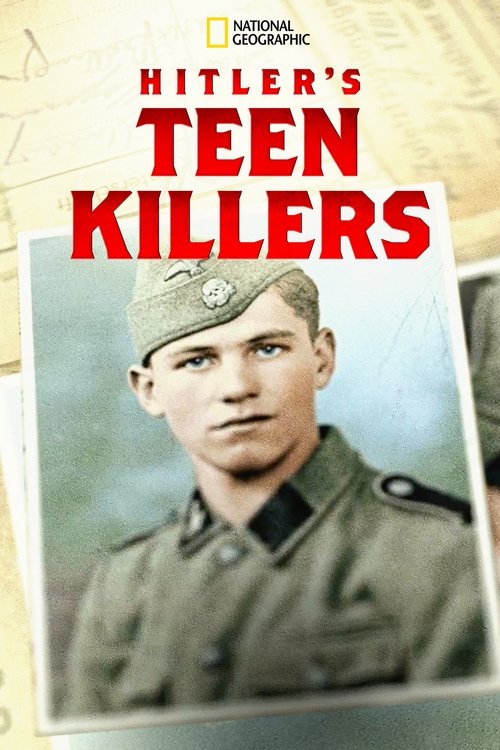
They grew up under the Nazi regime. They pledged to give their lives for Hitler. They were fanatics who would not be stopped. They were the 20,000 teenagers who made up the 12th SS Panzer Division. Unleashed in France to halt the Allied invasion, they would sow terror and destruction in their wake. Historical colorized archives and a handful of survivors tell us this story.
Everyone knows the public archive footage of Hitler. But most of it is silent. What was he saying? Special computer technology enables us for the first time to lip-read the silent film.
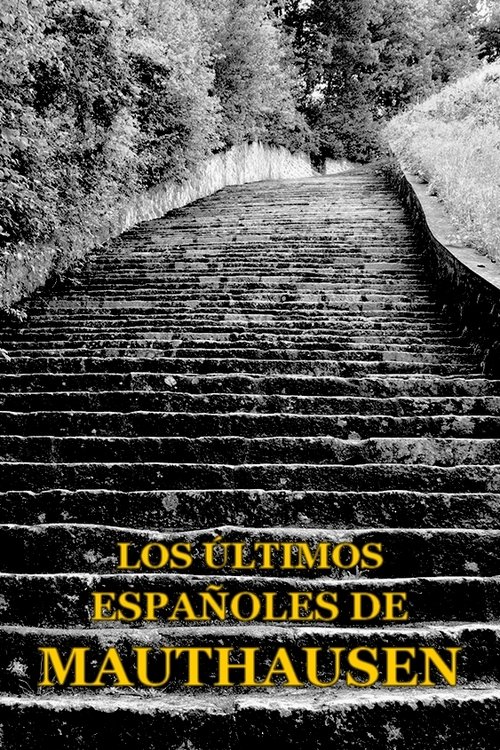
The story of the more than nine thousand Spaniards who were interned in the Nazi concentration camps, through the testimony of a group of survivors who tell what life and death were like in Mauthausen, Auschwitz, Buchenwald and Ravensbrück.
For the first time, a film recounts the story of the long pursuit of Nazis in hiding from 1945 to the present day. Sixty years of investigations, set-backs trials and dramas, brought about principally by three extraordinary individuals—the Austrian Simon Wiesenthal, and the German-French couple, Beate and Serge Klarsfeld.
In the wake of World War II, most Germans have been raised with the mistaken belief that the Holocaust had been planned and executed by just a tiny minority of Nazis, namely, the Gestapo and the SS. The sad truth, however, is that Hitler's philosophy of ethnic cleansing, as the Fuhrer so brazenly espoused in his frightening manifesto, "Mein Kampf," had been enthusiastically embraced not only by the entire military but also by most of the civilian population. The long-suppressed proof of their widespread collaboration and participation was unveiled in The Wehrmacht Exhibition, a damning collection of photographs and film footage that toured Deutschland between 1999 and 2004. The show shook the country to its core because it forced folks to face up to the fact that it took much more than a madman and his henchmen to wipe out six million.