In a single documentary to mark the 100-year anniversary of the outbreak of the Great War, Sir Max Hastings presents the argument that although it was a great tragedy, far from being futile, the First World War was completely unavoidable.
Movies like The Necessary War
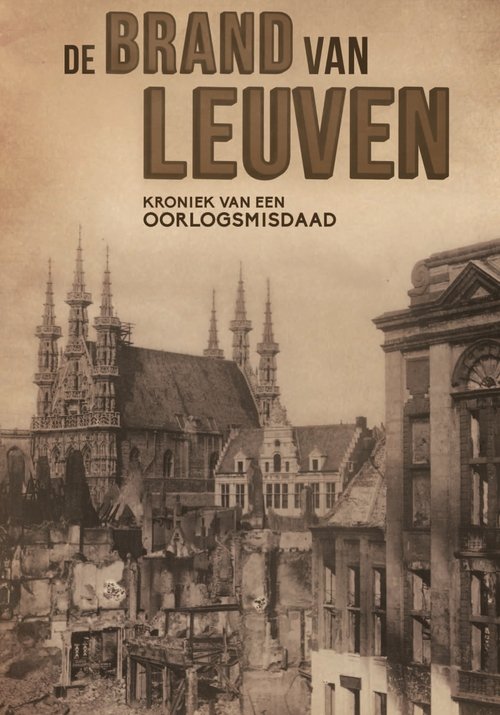
De brand van Leuven
At the end of August 1914 Leuven became the victim of blind rage war. Virtually the entire city center was systematically destroyed by the Germans. War journalist Rudi Vranckx explains what happened.
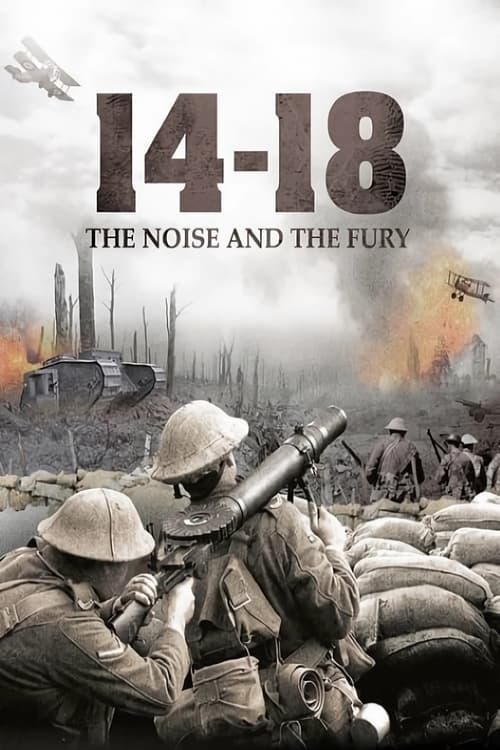
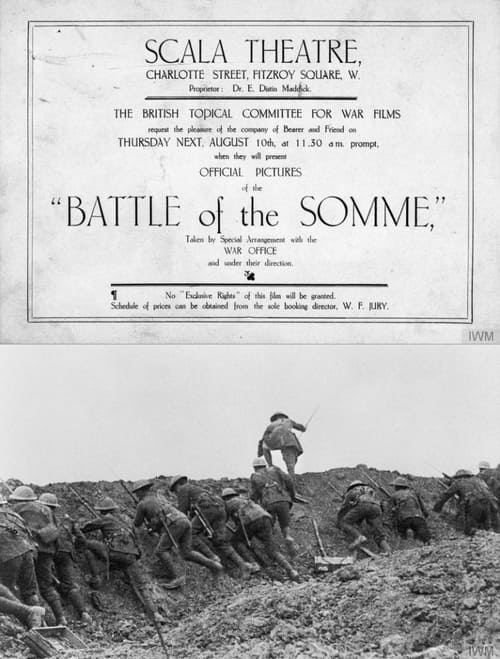
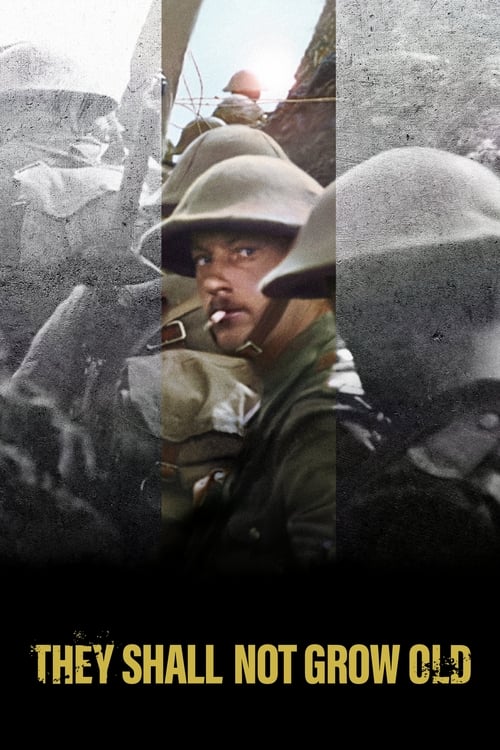
Not everything has been told about World War One. This documentary tries to explain how tens of millions of men could have suffered the unbelievable toughness of life in trenches during the 4 year ordeal. How could they have accepted the idea of a sure death or injury while not being able to tell why they were fighting.
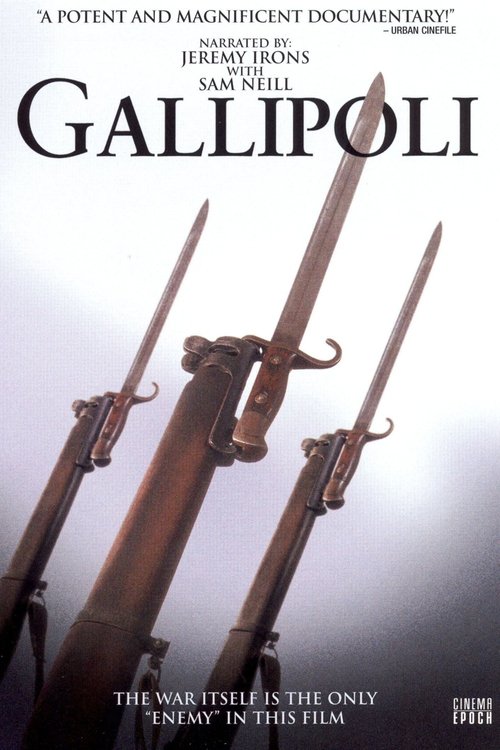
The Gallipoli campaign of World War I was so controversial & devastating, it changed the face of battle forever. Using diaries, letters, photographs and memoirs, acclaimed director, Tolga Ornek, traces the personal journeys of Australian, New Zealand, British and Turkish soldiers, from innocence and patriotism to hardship and heartbreak.
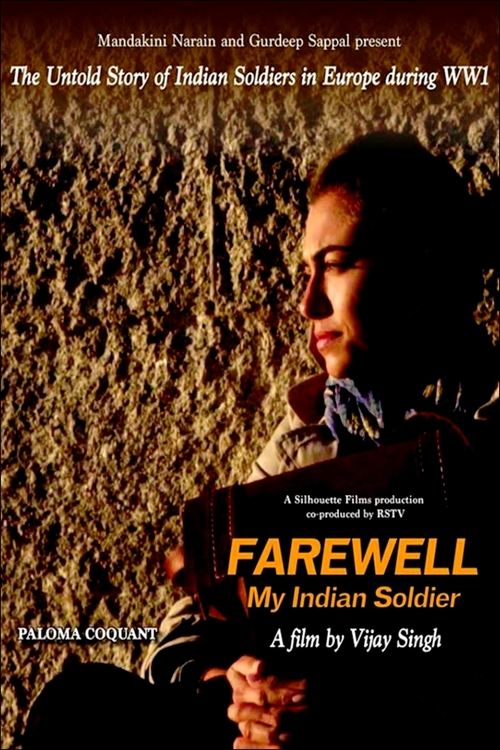
A young woman researches the hidden story of Indian soldiers who came to fight in France and Belgium during the World War I. The presence of these 140,000 soldiers in Europe is a virtually unknown fact of history.
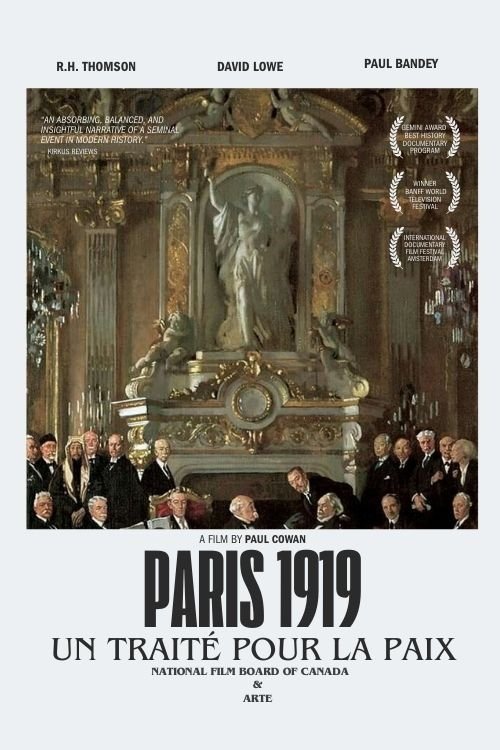
The last shots had been fired in the First World War — but peace had yet to be made. Inspired by Margaret MacMillan’s acclaimed work of popular history, Paris 1919 takes us inside the most ambitious peace talks in history, revisiting the event with a vivid sense of narrative. Evoking a pivotal moment when peace seemed possible, director Paul Cowan reflects upon the hard-learned lessons of history.
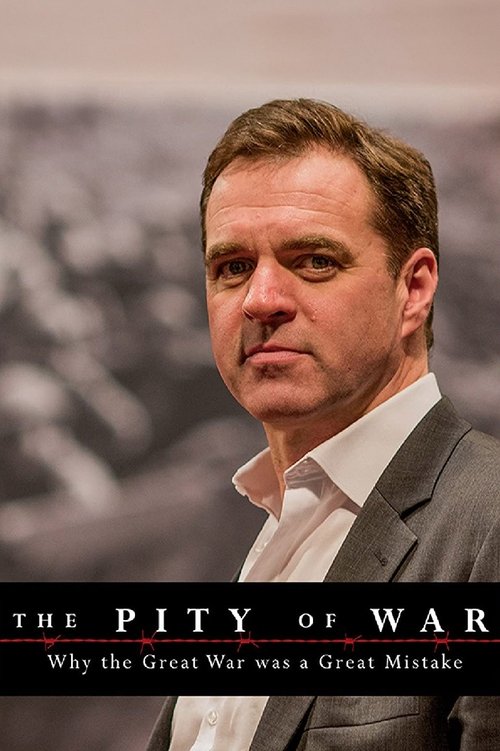
Professor Niall Ferguson argues that Britain's decision to enter the First World War was a catastrophic error that unleashed an era of totalitarianism and genocide.
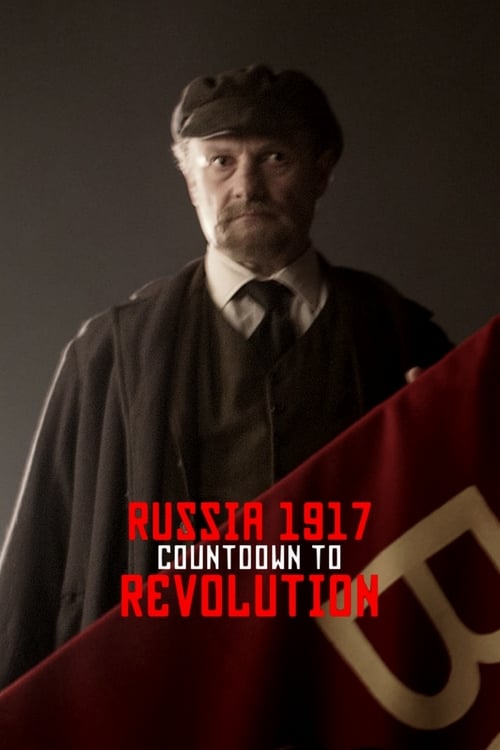
Russia, 1917. After the abdication of Czar Nicholas II Romanov, the struggle for power confronts allies, enemies, factions and ideas; a ruthless battle between democracy and authoritarianism that will end with the takeover of the government by Vladimir Lenin and the Bolsheviks.
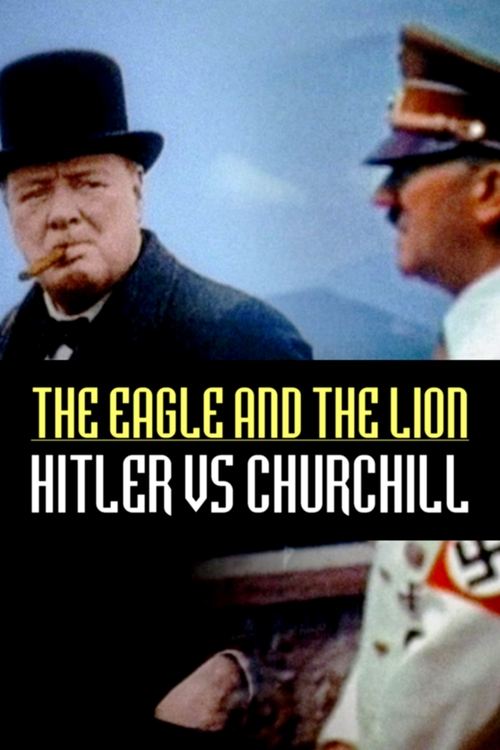
Winston Churchill, one of the most revered men of the twentieth century. Adolf Hitler, one of the most hated leaders in contemporary history. Between 1940 and 1945, these two enormously contradictory personalities faced each other in both politics and war. A clash of giants whose story begins in the trenches of the World War I and ends with the debacle of the World War II.
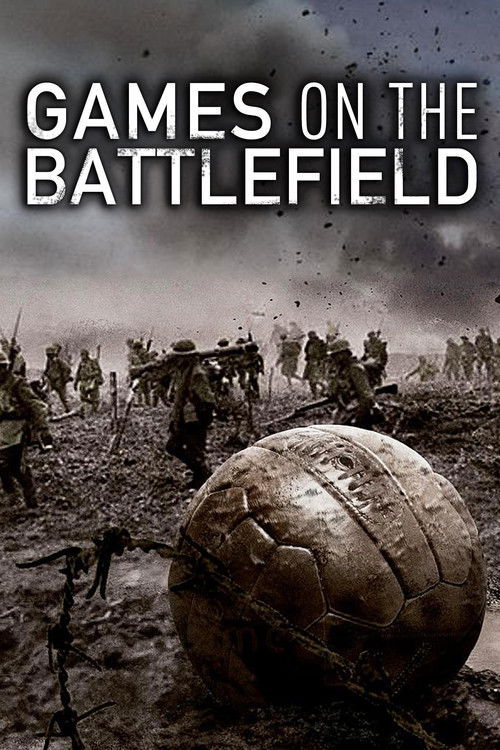
Built on archive footage – much of it previously unseen – this film reveals one of the most unexpected legacies of the First World War -- popular participation in sports, once the realm of the elite. For four years, sport represented a welcome respite from the killing fields of Europe.
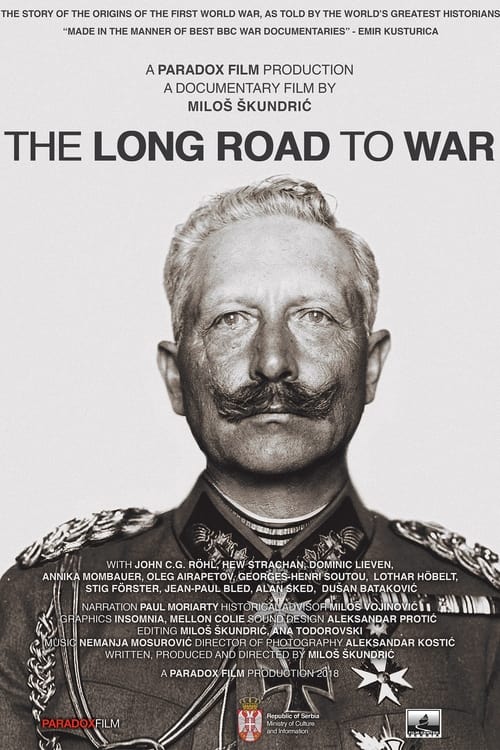
We all learned in schools that the WWI began with the assasination of Franz Ferdinand done by a young Bosnian Gavrilo Princip. In fact, the war was brewing much longer.
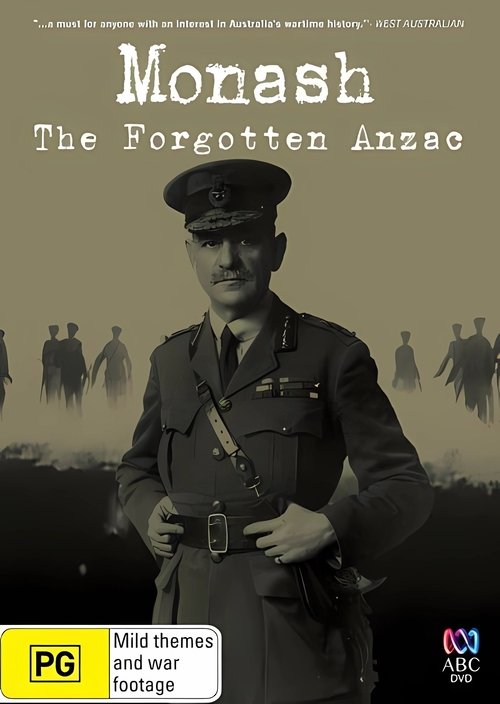
The story of how Australia's 'ANZAC myth' was born and the role of General John Monash in this process as soldier and statesman both during and after WW1.
The race to save the world's only dedicated Māori World War One Memorial from collapse reveals an unknown soldier's heroic story to the community he was once part of.
Osteuropa zwischen Hitler und Stalin - Das große Sterben
Between 1930 and 1945, Eastern Europe experienced mass violence on an unprecedented scale. Hitler and Stalin exploited the vast region for their respective expansionist plans. It is estimated that around 14 million civilians were murdered—primarily Jews, Poles, Balts, Belarusians, and Ukrainians.
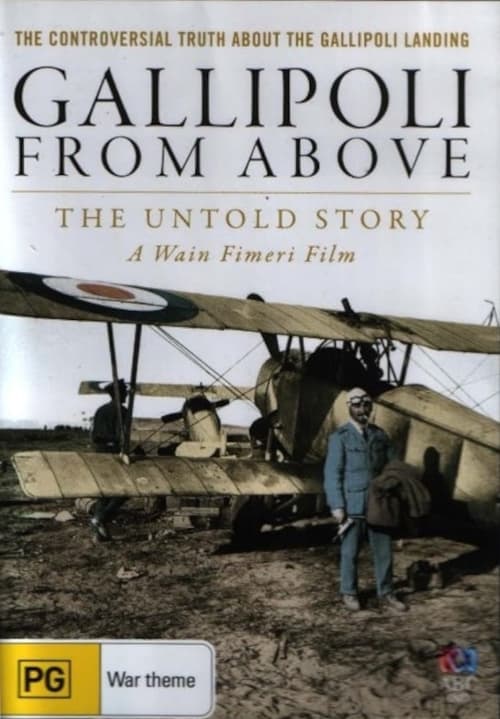
Gallipoli from Above: The Untold Story is the true story of how a team of Australian officers used aerial intelligence, emerging technology and innovative tactics to plan the landing at Anzac Cove. It is now nearly 100 years since the landing and hundreds of books, movies and documentaries have failed to grasp the significance of the ANZAC achievement. Instead, the mythology has clouded the real story of how these two influential Australian officers took control of the landing using every innovation they could muster to safely land their men on Z beach.
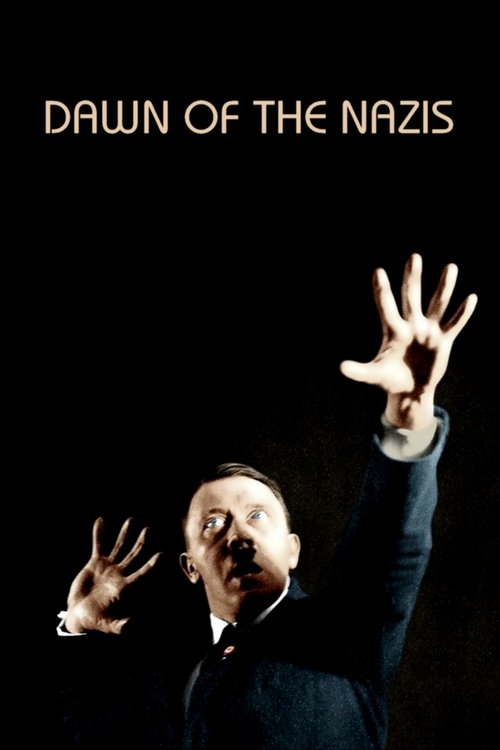
How Germany was when its people entered the nightmare of World War II? Despair and fear lead a hungry population to follow the chilling call of just one man to world domination. A real-life horror story, an ominous tale of violence and deception, which takes place from 1919 to 1934. (Entirely made up of restored, colorized archival footage.)
An account of the last two centuries of the Anthropocene, the Age of Man. How human beings have progressed so much in such a short time through war and the selfish interests of a few, belligerent politicians and captains of industry, damaging the welfare of the majority of mankind, impoverishing the weakest, greedily devouring the limited resources of the Earth.
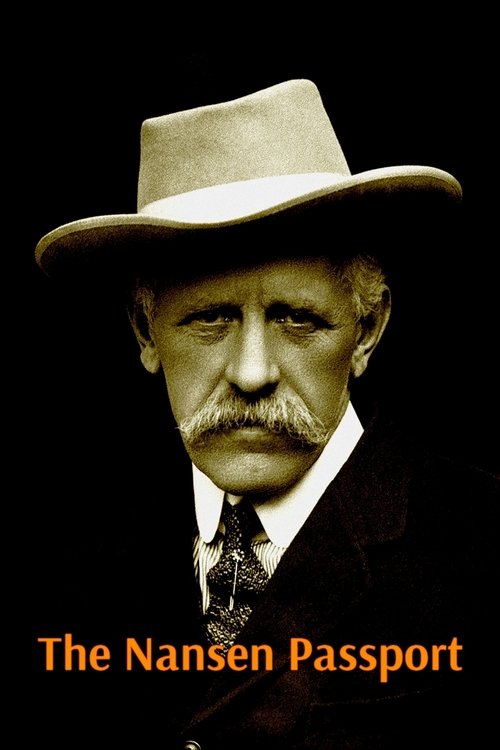
On July 5th, 1922, Norwegian explorer, scientist and diplomat Fridtjof Nansen creates a passport with which, between 1922 and 1945, he managed to protect the fundamental human rights as citizens of the world of thousands of people, famous and anonymous, who became stateless due to the tragic events that devastated Europe in the first quarter of the 20th century.
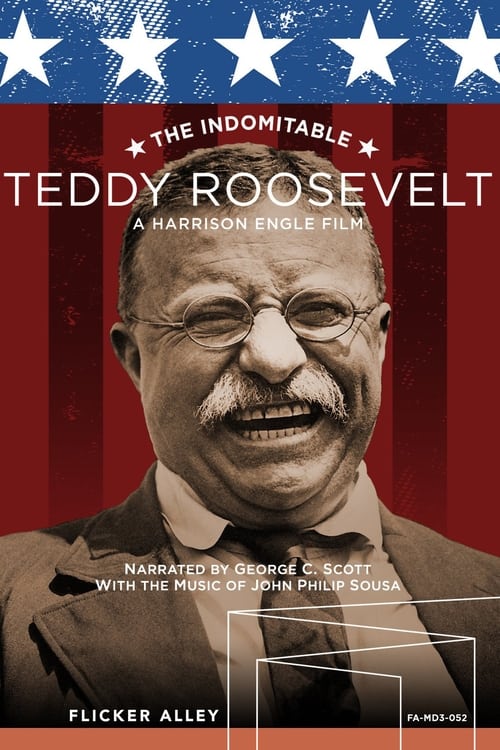
Theodore Roosevelt was America's 26th president and a larger-than-life legend whose incredible story must be seen to be believed. Narrated by George C. Scott, this documentary weaves extremely rare archival footage with meticulous recreations alongside the music of John Philip Sousa in a dynamic panorama of the great events of Teddy Roosevelt in the early years of the 20th century.
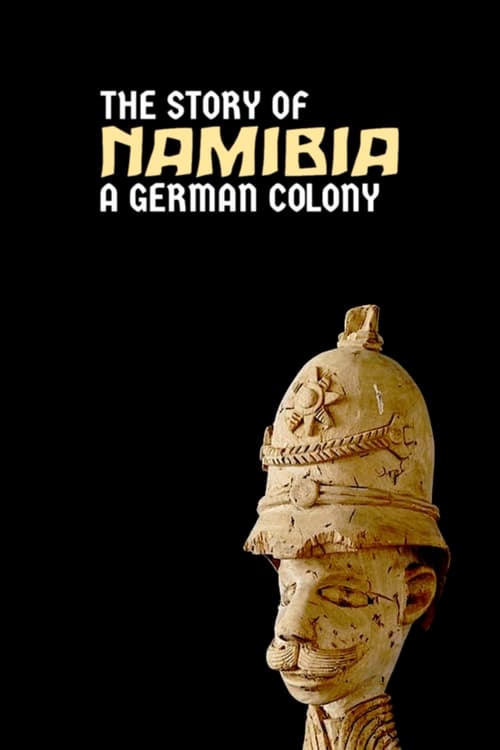
Germans colonized the land of Namibia, in southern Africa, during a brief period of time, from 1840 to the end of the World War I. The story of the so-called German South West Africa (1884-1915) is hideous; a hidden and silenced account of looting and genocide.
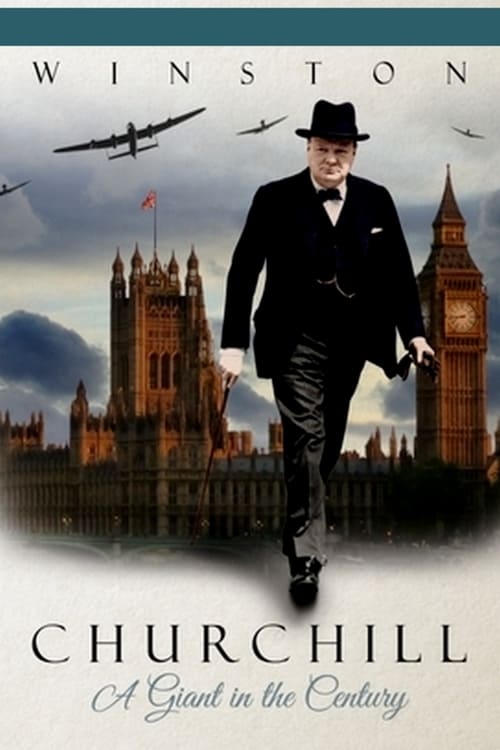
A new look at the public and private life of one of the most important statesmen in the history of Europe: Winston Churchill (1874-1965), soldier, politician, writer, painter, leader of his country in the darkest hours, winner of the Nobel Prize in Literature, a myth, a giant of the 20th century.